





Feeling tired all the time, losing interest in sex, or noticing changes in muscle strength? These can be signs of low testosterone, a condition that can affect men at different stages of life. Understanding the symptoms, testing process, and available low testosterone treatment options can help you decide when to seek medical care in Mansfield, TX.

What Causes Low Testosterone in Men?
Testosterone is a hormone that helps regulate sexual health, muscle mass, bone strength, and red blood cell production. Low testosterone, also known as male hypogonadism, occurs when the body does not produce enough testosterone to meet its needs. Although testosterone levels naturally decline with age, not every man with lower levels requires medical treatment.
Several factors can contribute to testosterone deficiency, including obesity, certain medications, chronic illnesses, and conditions affecting the testicles or pituitary gland. Identifying the underlying cause is important because some conditions can be treated without testosterone replacement therapy. A medical evaluation can help determine what may be affecting your hormone levels.
Common Low Testosterone Symptoms in Men
Low testosterone symptoms often develop gradually, making them easy to mistake for normal aging, stress, or lack of sleep. While symptoms vary, certain physical, sexual, and emotional changes may indicate that testosterone levels should be evaluated.
Physical and Sexual Symptoms
- Reduced sex drive or sexual interest
- Erectile difficulties
- Decreased muscle mass and strength
- Reduced facial or body hair growth
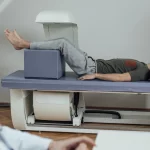
- Lower bone density
Energy and Emotional Changes
- Persistent fatigue or reduced stamina
- Difficulty concentrating
- Irritability or mood changes
- Reduced motivation
- Depressive symptoms
These symptoms do not automatically mean you have low testosterone. Other conditions, including thyroid disorders, depression, and sleep problems, can cause similar changes. Proper testing helps identify whether testosterone deficiency is contributing to your symptoms.
How Is Low Testosterone Diagnosed?
Diagnosing low testosterone involves more than identifying symptoms. Healthcare providers review your medical history, evaluate potential causes, and use laboratory testing to determine whether testosterone levels are consistently below the appropriate range.
Morning Testosterone Blood Tests
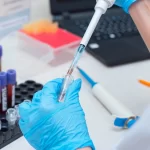
Testosterone levels are generally highest in the early morning, so blood samples are typically collected during this period. Most medical guidelines recommend testing on two separate mornings before confirming a diagnosis.
A total testosterone level below approximately 300 nanograms per deciliter (ng/dL) is commonly used as a clinical reference point. However, laboratory ranges vary, and a diagnosis requires compatible symptoms along with consistently low test results.
Additional Testing and Medical Evaluation
Depending on the initial results, your provider may recommend additional hormone tests, including free testosterone, luteinizing hormone (LH), or follicle-stimulating hormone (FSH). These measurements can help identify whether the problem originates in the testicles or the hormonal signaling system.
Your provider may also evaluate other health conditions that could be contributing to your symptoms. This process helps determine whether testosterone replacement therapy or another treatment approach is appropriate.
Testosterone Replacement Therapy: What Are Your Options?
For men diagnosed with testosterone deficiency, testosterone replacement therapy (TRT) may help improve certain symptoms by restoring testosterone levels to an appropriate range. Treatment is individualized based on medical history, laboratory results, personal preferences, and potential risks.
Common testosterone replacement methods include:
| Treatment Method | How It Works |
| Testosterone Injections | Testosterone is injected into a muscle or under the skin at prescribed intervals. |
| Testosterone Gels | A prescribed gel is applied to the skin daily, allowing testosterone to be absorbed. |
| Testosterone Patches | A patch delivers testosterone through the skin over a prescribed period. |
| Testosterone Pellets | Small pellets are inserted beneath the skin to release testosterone gradually over several months. |
How Do Testosterone Pellets Work?
Testosterone pellets are inserted beneath the skin during a minor medical procedure, typically in the hip or buttock area. Once inserted, the pellets gradually release testosterone over several months, reducing the need for daily applications or frequent injections.
At Core Rejuvenation Wellness and MedSpa, we offer hormone pellet therapy as part of our hormone-related services. Compounded hormone pellets are not FDA-approved products, and this treatment method requires careful patient selection and medical monitoring.
What to Expect After Starting Testosterone Replacement Therapy
Testosterone replacement therapy is not an instant solution, and results vary depending on the individual and the symptoms being treated. Some men notice improvements in sexual desire within several weeks, while changes in muscle mass, body composition, and bone density may require several months.
How Long Does It Take to See Results?
Improvements in sexual desire may begin within the first several weeks of treatment, although not everyone experiences the same response. Changes in muscle strength and body composition generally take longer, and some symptoms may not improve if they are caused by other health conditions.
Why Regular Monitoring Matters
Follow-up appointments are an important part of testosterone treatment. Your healthcare provider may monitor testosterone levels, red blood cell counts, blood pressure, and other health indicators to assess treatment effectiveness and identify potential complications.
Monitoring also helps determine whether adjustments are necessary. The goal is to maintain appropriate hormone levels while minimizing the risks associated with treatment.
Is Testosterone Replacement Therapy Safe?
TRT can be beneficial for appropriately selected men with confirmed testosterone deficiency, but it is not suitable for everyone. Possible side effects include acne, increased red blood cell counts, elevated blood pressure, and reduced sperm production. Testosterone therapy may also worsen certain existing health conditions.
Men who are planning to have children should discuss fertility concerns before beginning treatment because TRT can significantly reduce sperm production. Certain prostate-related conditions, untreated severe sleep apnea, and other medical concerns may also affect eligibility.
A qualified healthcare provider should review your medical history and explain the potential benefits and risks before recommending treatment.
When Should You See a Men’s Health Provider?
If you are experiencing persistent fatigue, reduced sex drive, erectile difficulties, or unexplained changes in physical strength, scheduling a medical evaluation may be worthwhile. These symptoms can have several possible causes, and identifying the underlying issue is the first step toward appropriate care.
At Core Rejuvenation Wellness and MedSpa, we provide personalized men’s health services in Mansfield, TX. Our approach focuses on evaluating individual concerns, understanding hormone health, and discussing available treatment options based on your medical needs.
Take the First Step Toward Better Men’s Health in Mansfield, TX
Low testosterone can affect sexual health, physical strength, and overall well-being, but an accurate diagnosis is essential before considering treatment. Understanding your symptoms and available options can help you make informed decisions about your long-term health.
At Core Rejuvenation Wellness and MedSpa, we’re here to help you explore your hormone health concerns and determine the next steps. Contact us today to schedule a consultation and learn more about our testosterone replacement therapy and men’s health services.