
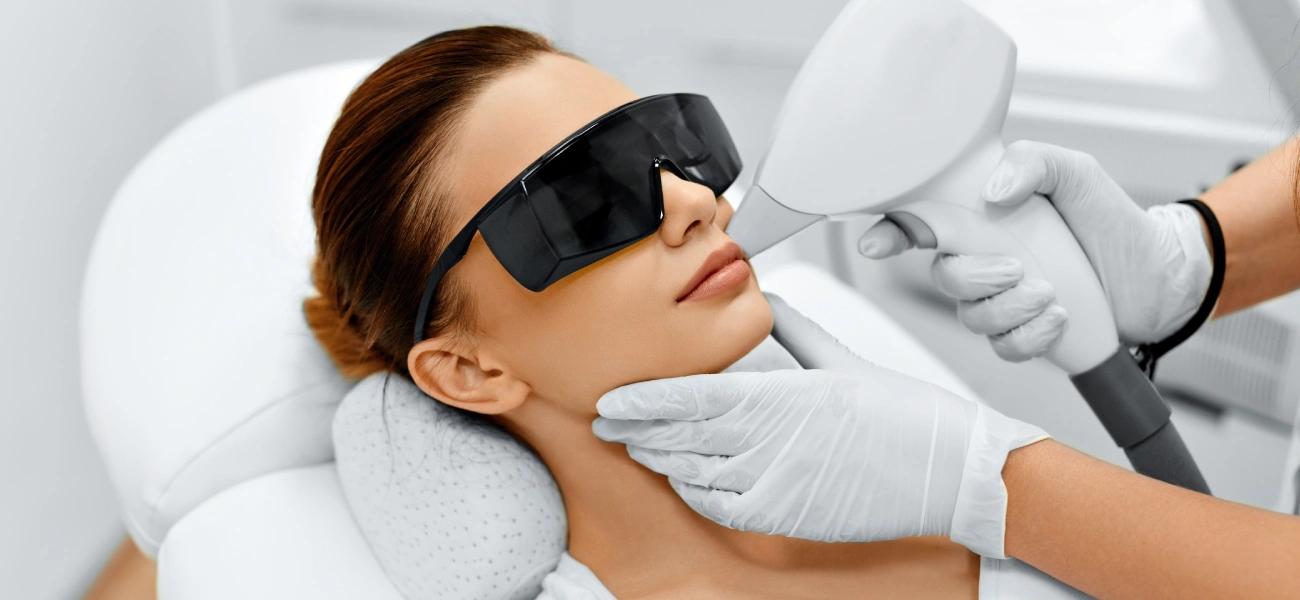
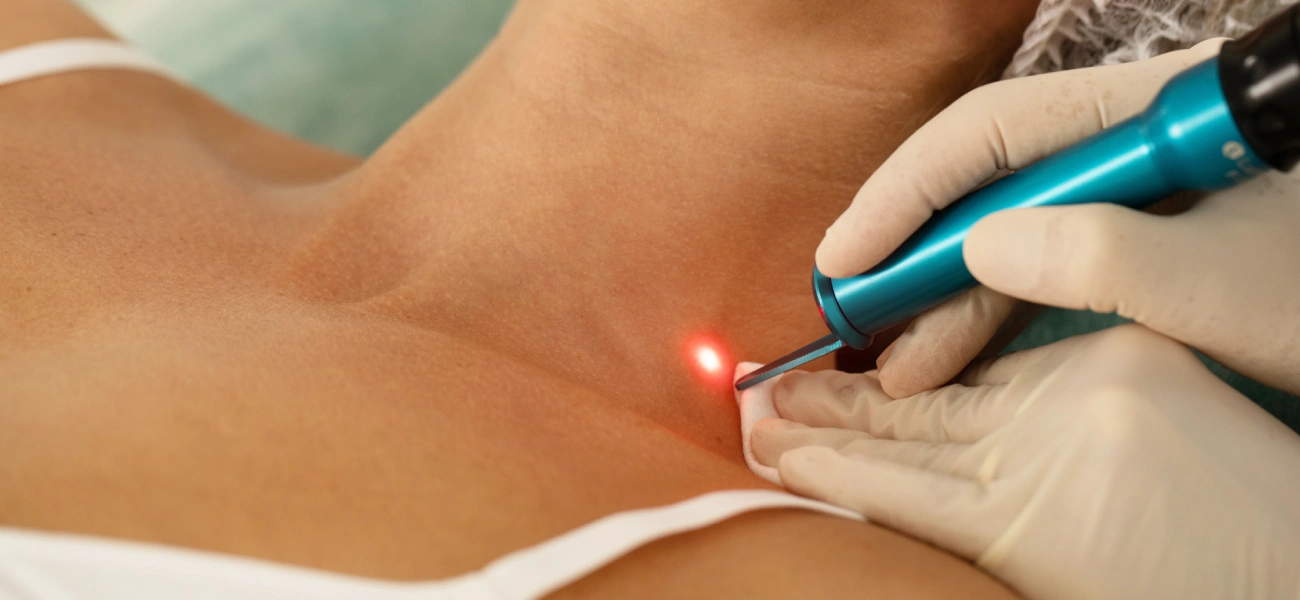


Under-eye bags, hollows, wrinkles, and loose skin can come from aging, genetics, skin thinning, facial anatomy, fluid retention, or changes in the fat pads beneath the eyes. Because this area is delicate, no single treatment is right for every patient. Agnes RF for under the eyes may be considered for certain concerns, but only after a careful evaluation by a qualified provider.
Agnes RF is a radiofrequency-based treatment, not a laser. It uses controlled RF energy delivered through small, insulated needles to target selected tissue beneath the skin. Since the under-eye area has thin skin and sensitive tissue, treatment should be carefully planned and clearly explained before moving forward.
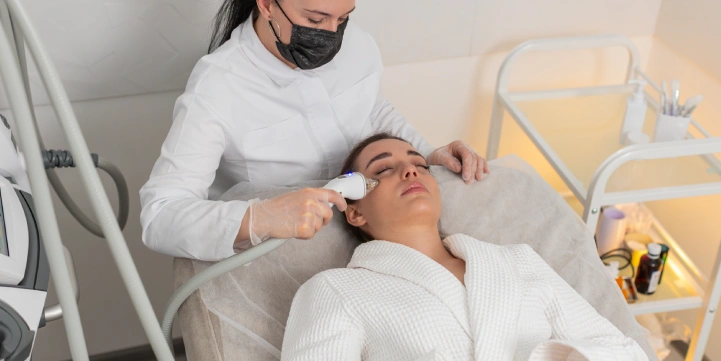
What Is Agnes RF Under-Eye Treatment?
Agnes RF is a radiofrequency treatment that uses small, insulated needles to deliver controlled energy beneath the skin. For under-eye concerns, it requires careful evaluation because the skin is thin and the surrounding tissue is delicate. Agnes RF is not a laser treatment, and it should only be performed when a qualified provider determines that it is appropriate for the patient’s anatomy, goals, and medical history.
What Under-Eye Concerns Can Agnes RF Address?
Agnes RF may be used for select under-eye concerns when the tissue is appropriate for treatment. It is usually considered for mild to moderate concerns, not severe structural changes. Possible concerns may include:
- Mild under-eye puffiness
- Early skin laxity
- Fine lines or crepey texture
- Small areas of under-eye fullness
- Skin firmness concerns
Bags and hollows are not the same concern. Bags often involve puffiness or fat protrusion, while hollows may come from volume loss, bone structure, tear trough anatomy, or shadowing. Agnes RF may not correct true hollowing on its own, so another treatment may be more appropriate.
Is Agnes RF a Non-Surgical Alternative to Eyelid Surgery?
Agnes RF is non-surgical, but it should not be treated as a direct replacement for lower eyelid surgery. Surgery may still be better for patients with significant fat protrusion, loose skin, or more advanced under-eye changes. Agnes RF may be more suitable for patients with mild to moderate concerns who understand that results are usually gradual and limited compared to surgery.
Who May Be a Candidate for Agnes Eye Treatment?
A patient may be considered for Agnes eye treatment if they have mild puffiness, early skin laxity, fine lines, or small areas of under-eye fullness. Before recommending treatment, the provider should review skin thickness, eye-area anatomy, prior treatments, healing history, and overall health.
Agnes RF may not be appropriate for patients with:
- Severe under-eye hollows
- Very thin or fragile skin
- Active infection or inflammation
- Certain eye conditions
- Poor wound healing history
- Significant loose skin
- Unrealistic expectations
What Happens During an Agnes RF Consultation?
The consultation helps determine whether Agnes RF is a safe and reasonable option. The provider examines the under-eye area, reviews the patient’s concerns, explains what the treatment can and cannot address, and discusses possible risks. This step helps avoid treating concerns that may not respond well to Agnes RF.
A responsible consultation should review:
- The cause of the under-eye concern
- Whether Agnes RF is appropriate
- Possible treatment alternatives
- Expected downtime
- Possible side effects
- Realistic improvement
- Follow-up care
What Can Patients Expect During Treatment and Recovery?
If Agnes RF is appropriate, the treatment area is prepared, and numbing may be used for comfort. The provider then delivers controlled RF energy to carefully selected points beneath the skin. Because the under-eye area is small and sensitive, treatment should be conservative and based on the patient’s anatomy.
After treatment, temporary swelling, bruising, redness, tenderness, or firmness may occur. Results are usually not immediate and may develop gradually over several weeks to months as the tissue responds. Patients should follow aftercare instructions and contact the provider if symptoms seem unusual or worsen.
What Are the Risks and Limitations?
Agnes RF and other RF microneedling treatments are medical aesthetic procedures, so they should be approached carefully. Possible risks and limitations may include swelling, bruising, redness, irritation, uneven results, delayed healing, pigment changes, burns, scarring, or fat loss if tissue is overtreated. This does not mean every patient will have complications, but it does mean provider skill, patient selection, and conservative treatment planning are important.
Agnes RF also has limits. It may not fully correct severe hollows, advanced loose skin, or under-eye concerns caused mainly by bone structure or volume loss. In those cases, another treatment or a combined plan may be recommended.
Why Careful Provider Evaluation Matters
The under-eye area has thin skin, delicate tissue, and important nearby structures. Even small treatment decisions can affect the final result. A qualified provider should understand when Agnes RF is appropriate, when it should be avoided, and when another option may be safer or more predictable.
Core Rejuvenation Wellness and MedSpa takes a careful approach to Agnes RF under-eye treatment in Mansfield. The goal is to educate patients, evaluate their concerns honestly, and recommend treatment only when it aligns with the patient’s anatomy, goals, and safety needs.
Is Agnes RF Right for Your Under-Eye Concerns?
Agnes RF may be an option for certain patients with under-eye puffiness, fine lines, or mild laxity, but it is not a universal solution for all bags, hollows, or wrinkles. The safest next step is to consult a qualified provider who can evaluate the under-eye area and explain the most appropriate options.
If you are considering non-surgical under-eye treatment in Mansfield, Core Rejuvenation Wellness and MedSpa can help you understand whether Agnes RF is a reasonable option for your concerns. Schedule a consultation to receive a thorough evaluation and a treatment plan tailored to your skin, anatomy, and goals.