

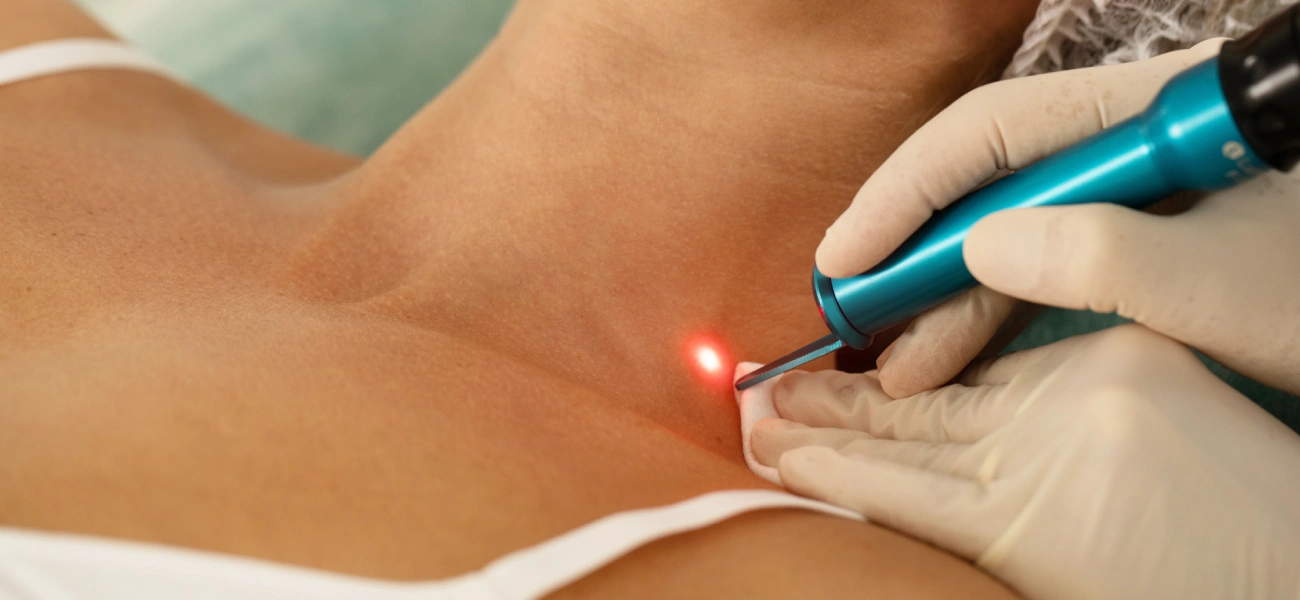

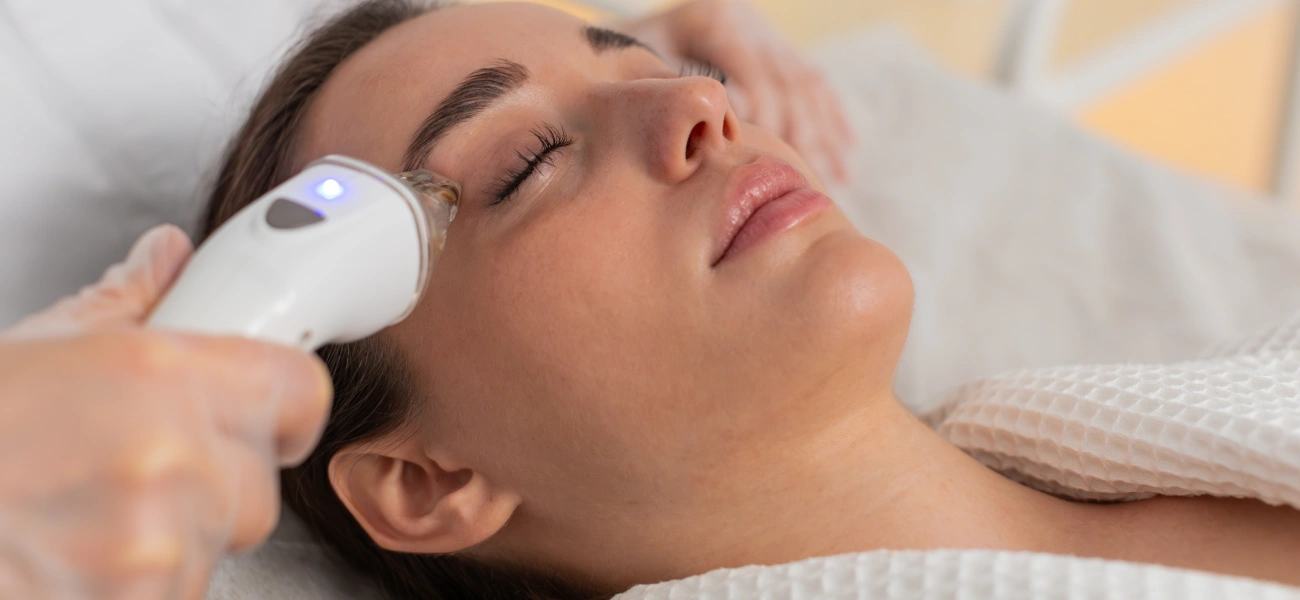

Laser hair removal works best when the technology matches your skin tone, hair color, and hair thickness. The right device should target pigment in the hair follicle while reducing unnecessary heat in the surrounding skin. That is why laser hair removal for all skin types depends on more than just “strong laser settings.” It depends on wavelength, provider skill, and a clear consultation before treatment.

Why Skin Type Matters in Laser Hair Removal
Laser hair removal targets melanin, which is the pigment found in hair. The challenge is that melanin is also found in the skin, especially in deeper skin tones. If the wrong laser or setting is used, the skin may absorb too much heat, which can raise the risk of burns, irritation, or pigment changes.
That is why laser hair removal according to skin types matters so much. A professional should look at your skin tone, hair color, hair thickness, treatment area, tanning history, and sensitivity before choosing the right approach.
A Simple Skin Type Guide Before Laser Hair Removal
The Fitzpatrick scale is a common way to describe how skin reacts to sun exposure. It ranges from Type I, which is very fair and burns easily, to Type VI, which is deeply pigmented and rarely burns. This guide is not a diagnosis, but it can help you understand why technology choice matters.
- Type I: Very fair skin, often burns, rarely tans
- Type II: Fair skin, burns easily, tans lightly
- Type III: Light to medium skin, may burn, tans gradually
- Type IV: Olive or medium brown skin, tans easily
- Type V: Brown skin, rarely burns
- Type VI: Deep brown to dark skin, rarely burns
If you live in Mansfield, Midlothian, or the greater DFW area, you may see a wide range of skin tones, undertones, and hair types. That makes a personalized laser consultation especially important.
Different Types of Laser Hair Removal Technologies
Not all types of laser treatment for hair removal work the same way. Each laser uses a different wavelength, and that wavelength affects how deeply the laser travels and how strongly it is absorbed by pigment. Here is the simple breakdown.
- Alexandrite Laser, 755 nm: Often used for fair to light skin with dark hair because it is strongly absorbed by melanin.
- Diode Laser, around 800 to 810 nm: A versatile option for many lighter to olive skin tones and thicker hair types.
- Nd:YAG Laser, 1064 nm: Often preferred for darker skin tones because its longer wavelength can bypass more surface pigment.
- IPL: Uses broad light instead of one focused laser wavelength, so it is not the same as medical laser hair removal.
Laser hair removal usually works best when there is strong contrast between dark hair and lighter skin. Very light blonde, gray, white, and some red hairs are harder to treat because they have less pigment for the laser to detect. The American Academy of Dermatology notes that laser hair removal generally works best on light skin with dark hair.
Alexandrite vs. Diode vs. Nd:YAG: Which One Fits Your Skin?
Choosing between Alexandrite, Diode, and Nd:YAG should not be random. The safest and most effective option depends on your skin type, your hair type, and the area being treated. Here is the practical way to think about it.
- Fair skin with dark hair: Alexandrite may be a strong option because it targets dark pigment quickly.
- Light to olive skin with coarse hair: Diode may work well because it can reach deeper follicles while staying flexible for several hair types.
- Brown to deep skin tones: Nd:YAG is often favored because the 1064 nm wavelength has lower absorption in surface melanin and can reduce the risk of pigment-related complications.
- Gray, white, blonde, or red hair: Results may be limited because the laser needs pigment in the hair follicle to work well.
Nd:YAG laser technology is commonly discussed as a safer option for Fitzpatrick IV to VI skin types because of its longer wavelength, while diode and alexandrite lasers may be useful for other skin and hair combinations when settings are chosen carefully.
Why Darker Skin Tones Need the Right Wavelength
Darker skin contains more melanin in the surface layers of the skin. Since laser hair removal also targets melanin, the laser must be selected carefully so it focuses more on the follicle and less on the skin around it. This is one reason longer wavelengths can be important for melanin-rich skin.
For many patients with medium, brown, or deep skin tones, the safest plan often uses conservative settings, cooling, spacing between treatments, and a provider who understands how to treat different skin tones. The goal is not to use the most aggressive setting. The goal is to reduce hair safely over a series of sessions.
What About Hair Color and Hair Thickness?
Hair color and thickness are just as important as skin tone. Coarse, dark hair usually responds better because it contains more pigment and gives the laser a clearer target. Fine or light hair can be more difficult because it absorbs less laser energy.
Common response patterns include:
- Dark, coarse hair: Often responds best
- Dark, medium hair: Usually responds well with a series of treatments
- Fine dark hair: May respond, but may need more sessions
- Blonde, red, gray, or white hair: Often harder to treat because of low pigment
- Hormonal facial hair: May need maintenance treatments over time
Laser hair removal can reduce growth long term, but it does not always remove every follicle forever. Since hair grows in cycles, multiple sessions are usually needed to treat follicles during the right growth phase.
A Quick Skin and Hair Match Quiz
Use this simple guide before your consultation. It will not replace a professional assessment, but it can help you ask better questions.
- What is your natural skin tone?
Fair, light, olive, brown, or deep? - How does your skin react to the sun?
Burns easily, tans slowly, tans easily, or rarely burns? - What color is the hair you want treated?
Black, brown, dark blonde, red, gray, or white? - How thick is the hair?
Fine, medium, coarse, or very coarse? - Is the area recently tanned or sun-exposed?
If yes, treatment may need to wait for safer timing. - Do you have a history of pigment changes?
Tell your provider before treatment so settings can be adjusted carefully.
Why We Are a Go-To Choice for Laser Hair Removal in Mansfield and Midlothian
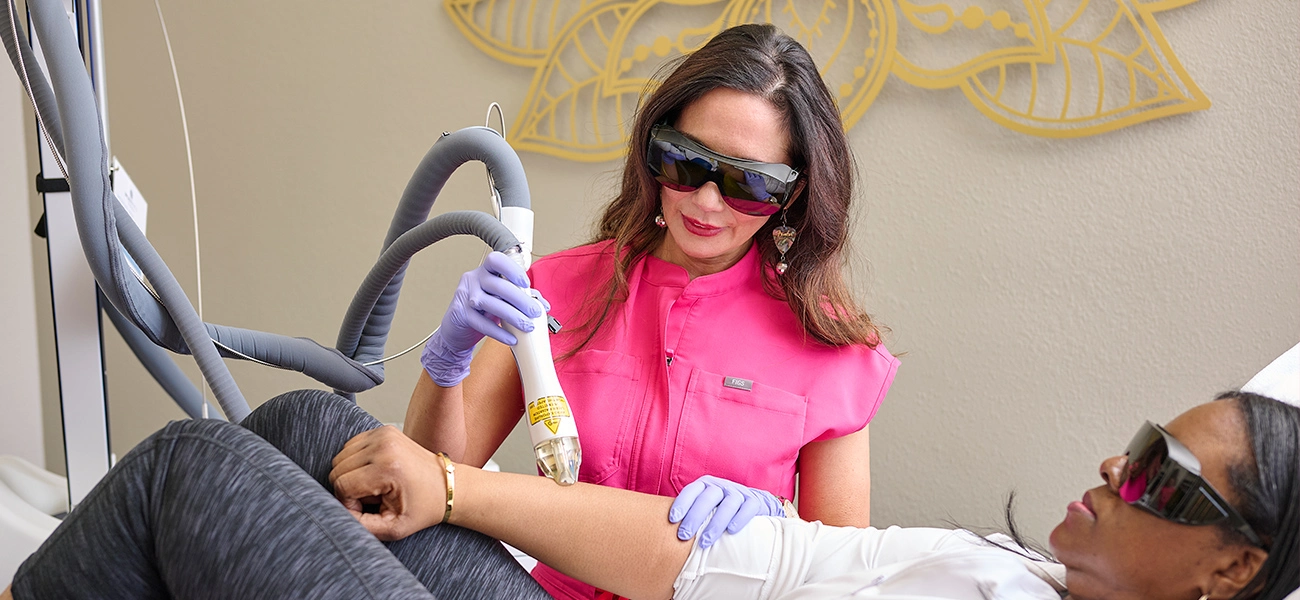
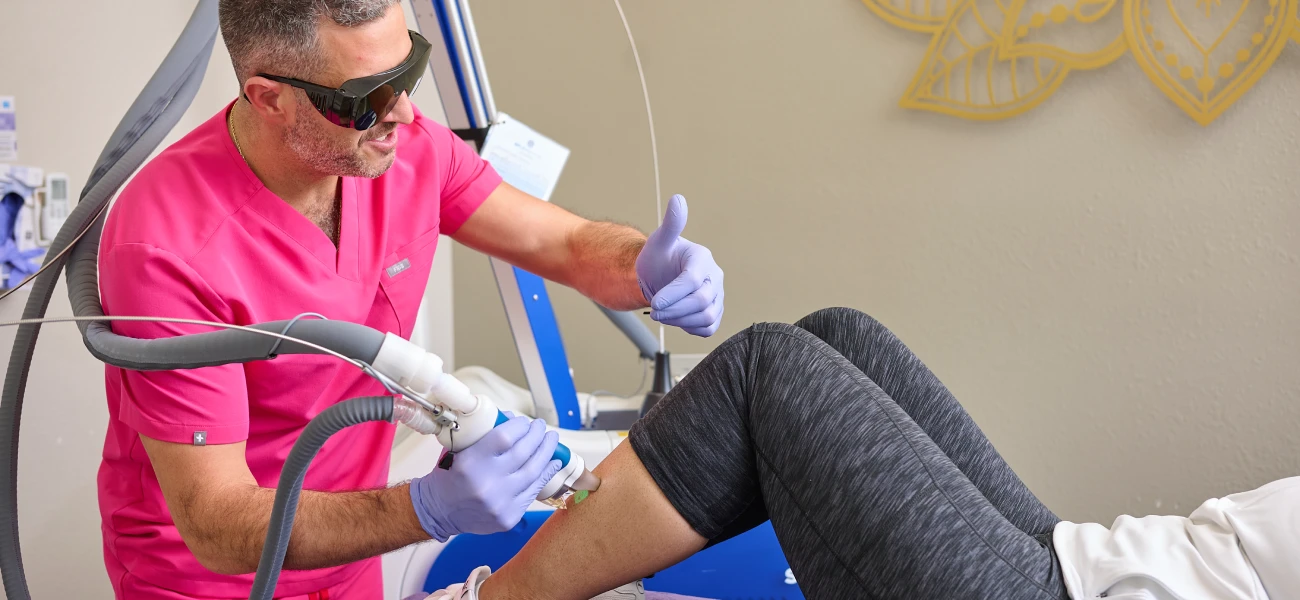
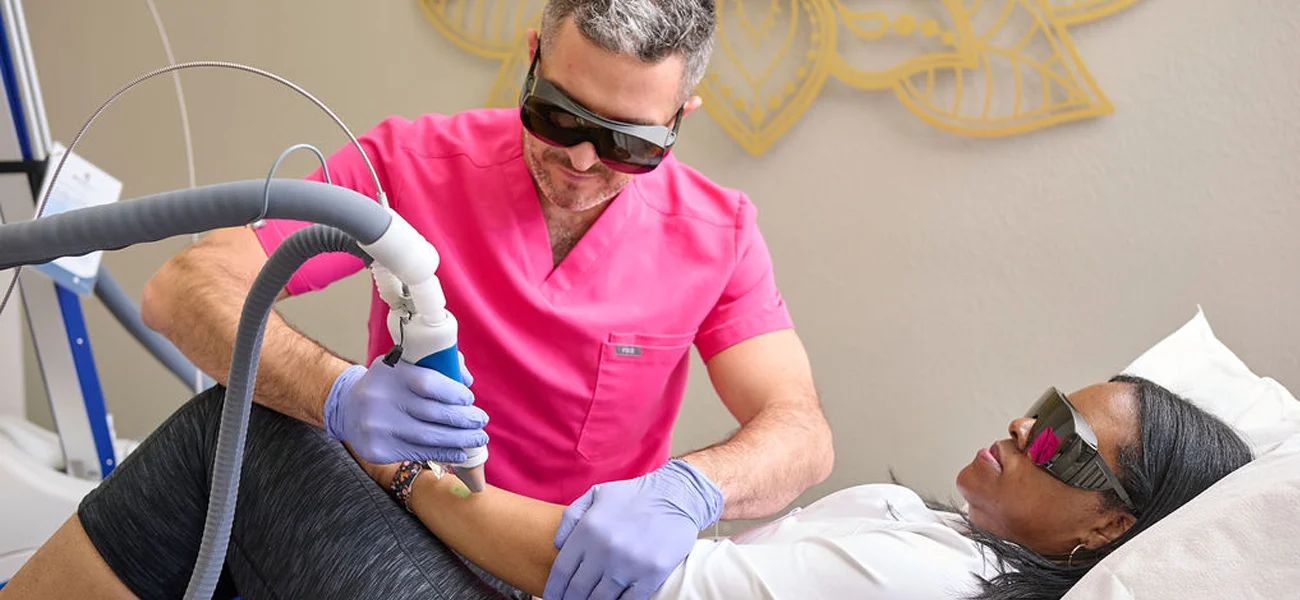
At Core Rejuvenation Wellness and MedSpa, we offer laser hair removal in Mansfield, TX for patients who want a more personalized way to reduce unwanted hair. We use the Splendor X system, which combines Alexandrite and Nd:YAG wavelengths to help treat a wide range of skin types and complexions. This gives us flexibility when building a plan around your skin profile, hair profile, treatment area, and comfort level.
We also provide laser hair removal for areas like the face, chin, upper lip, eyebrows, sideburns, bikini line, underarms, legs, stomach, hands, back, neck, ears, and more. Our process starts with a consultation, because the right plan depends on your goals, your skin tone, your hair type, and how your skin responds to treatment. If you are looking for laser hair removal in Midlothian, TX or Mansfield, we can help you understand what is realistic before starting.
What to Expect Before and After Treatment
Laser hair removal is usually quick, but preparation matters. Your provider may ask you to avoid waxing or plucking before treatment because the laser needs the follicle target to be present. Shaving is often recommended before the appointment, but instructions may vary by treatment area.
After treatment, the skin may feel warm or slightly sensitive. You may be asked to avoid sun exposure, hot showers, harsh products, and heavy exfoliation for a short period. Our specialists note that treated hairs shed naturally over the following weeks and that multiple treatments are needed because hair grows in cycles.
Choose the Right Laser Hair Removal Plan for Your Skin and Hair
Laser hair removal works best when the technology matches your skin type, hair color, and goals. If you want laser hair removal in Mansfield, TX or near Midlothian, TX, choose a professional team that can assess your skin, explain your options, and build a safe treatment plan. Schedule your consultation today and take the next step toward smoother skin.